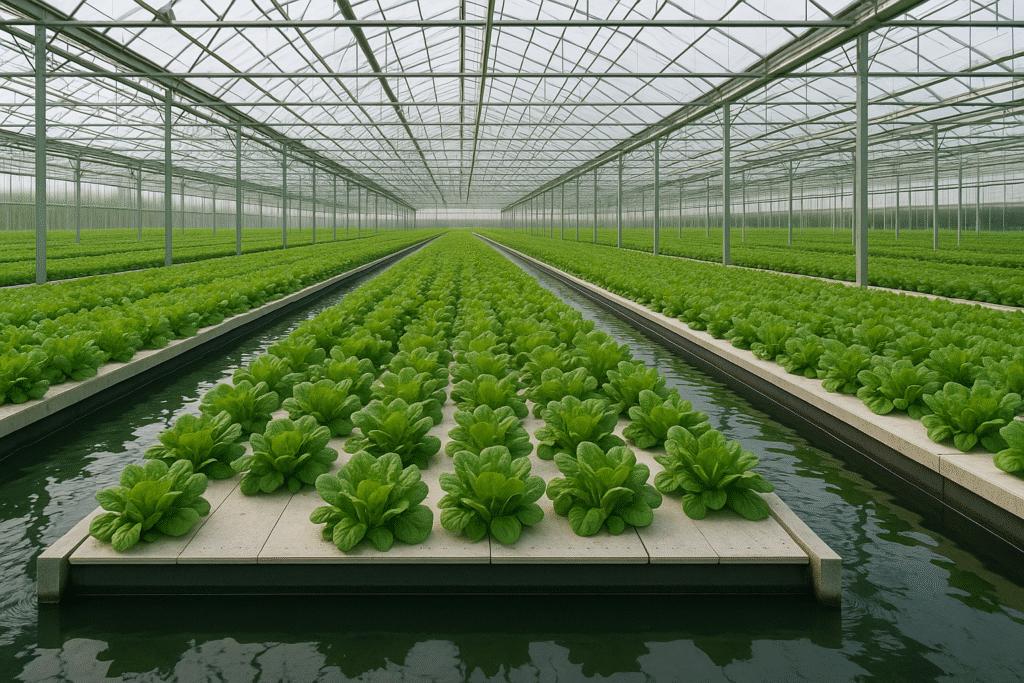
Aquaponic Products
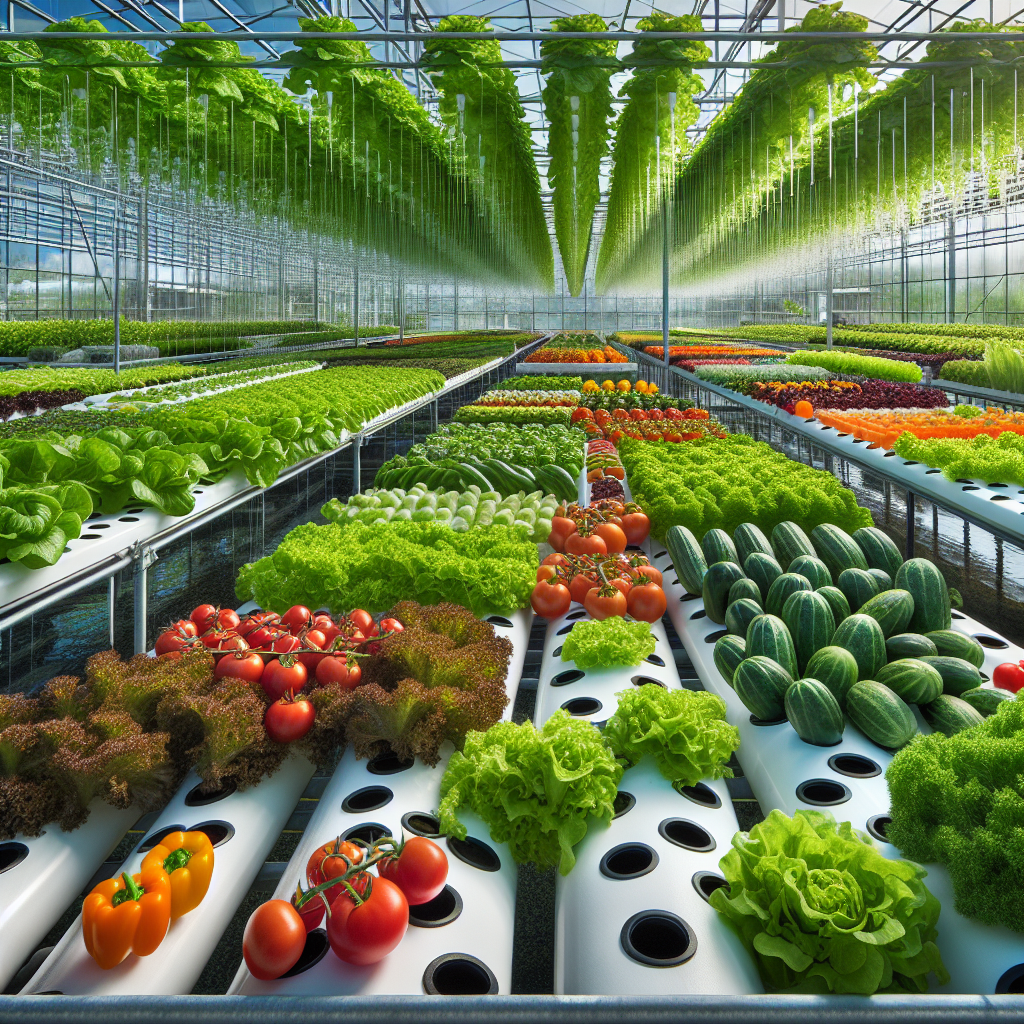
Explore the various vegetables and fruits that can be grown using the aquaponics method
In addition to their unique characteristics, strawberries grown in aquaponic systems offer distinct nutritional benefits.
Their rich content of vitamins and antioxidants gives these fruits a superior nutritional profile.
The controlled environment, free from chemical pesticides, helps preserve the purity of flavor, delivering a truly unforgettable taste experience.
When it comes to fruits, strawberries are an intriguing addition to the aquaponic garden: thanks to the nutrient support provided by fish waste, they can develop with a unique natural sweetness

Strengths
Integrated System
A method that combines fish and plants for optimal results
Sustainable Efficiency
Reduce waste and costs with advanced aquaponics
Maximum Quality
Grow healthy vegetables without traditional pesticides
Water Conservation
A system that uses up to 90% less water
Ecological Cultivation
An environmentally friendly and highly productive approach
Lettuce and Spinach
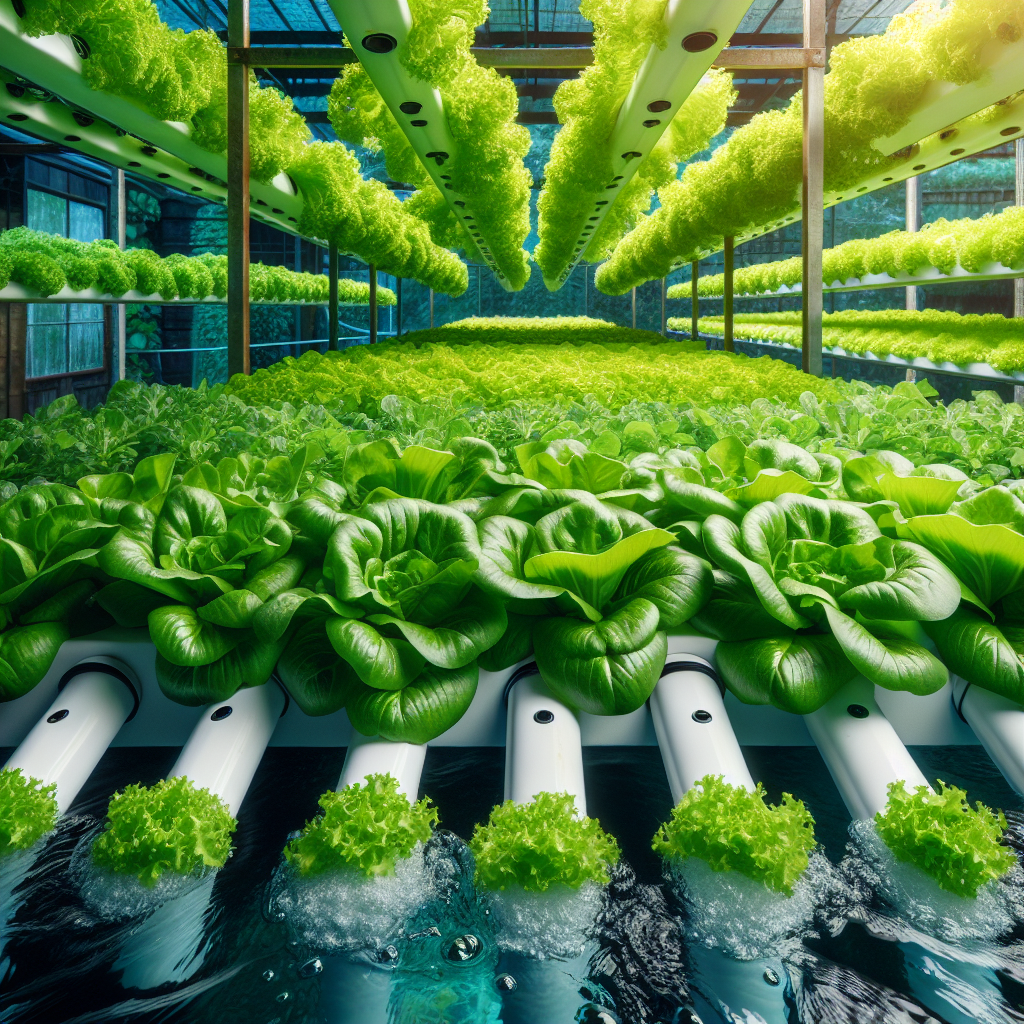
Lettuce and spinach are perhaps the most prominent vegetables cultivated in aquaponic systems.
Both benefit from the nutrient-rich, recycled environment created by the synergy between plants, fish, and beneficial bacteria.
These two leafy greens, widely valued for their freshness and content of essential nutrients, thrive exceptionally well thanks to the continuous flow of nutrients derived from fish waste.
Lettuce, known for its crisp texture, achieves optimal levels of freshness and nutritional value in an aquaponic environment.
Its roots grow directly in nutrient-rich water, eliminating the need for soil.
This method allows lettuce to efficiently absorb the nutrients it needs, resulting in crisp, nutrient-dense green leaves, ideal for health-conscious consumers.
Spinach, renowned for its high iron content and rich flavor, also finds an ideal growing environment in aquaponics.
Thanks to the constant nutrient supply, spinach grows vigorously, producing dark green leaves rich in iron and other vital nutrients.
Highly appreciated for its culinary versatility and health benefits, spinach stands out as a sustainably grown crop within aquaponic systems
Basil and parsley
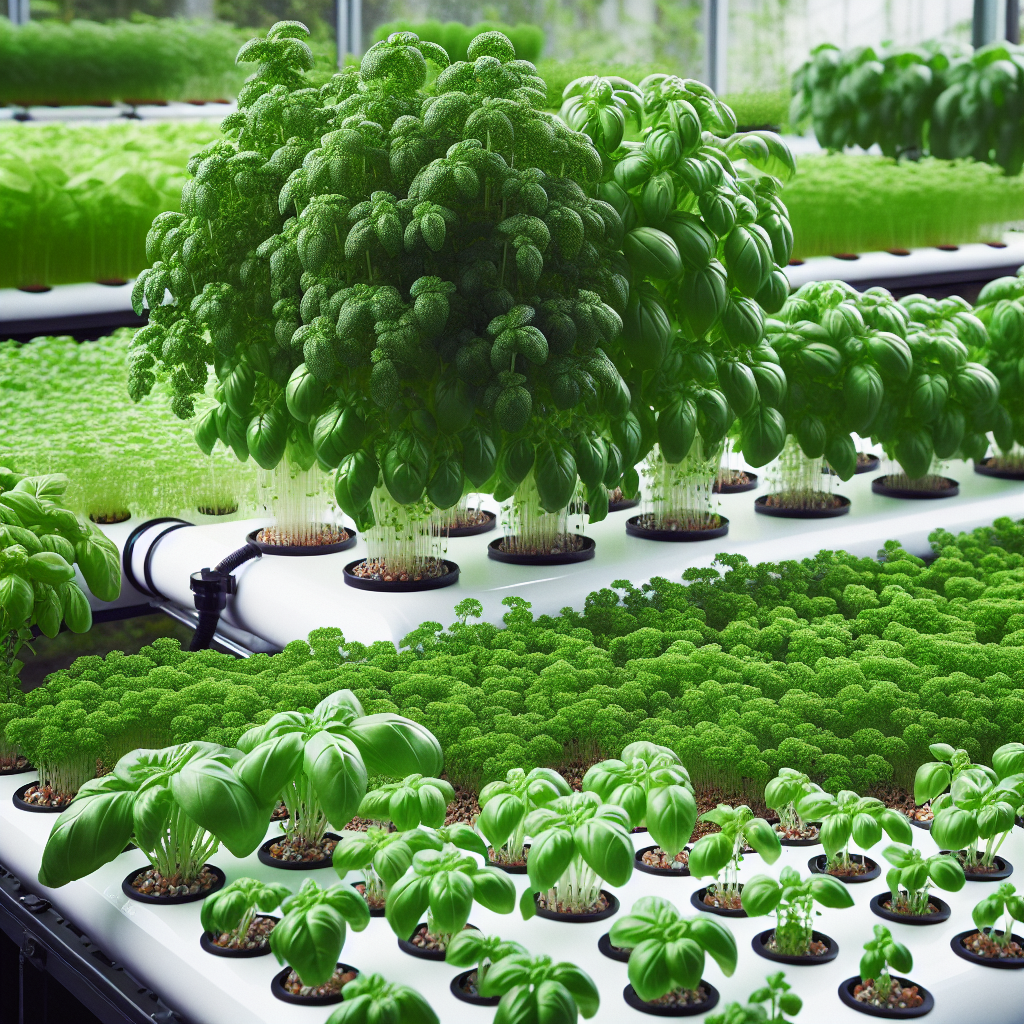
Basil and parsley are two aromatic herbs highly valued in cooking for their distinctive flavors, and they thrive in the innovative environment of aquaponic cultivation
Basil, known for its intense aroma and health-promoting properties, reaches its peak freshness in an aquaponic system.
Its roots, submerged in nutrient-rich water, efficiently absorb essential elements.
The result is a fragrant and healthy basil, perfect for adding a fresh touch to a wide range of dishes — from salads to main courses.
Parsley, appreciated for both its culinary versatility and nutritional benefits, also flourishes in aquaponics.
Its leaves are packed with vitamins and minerals, growing in a recycled nutrient environment that ensures freshness and flavor.
This herb’s ability to enhance dishes with its unique taste is further strengthened by its sustainable aquaponic cultivation
Tomatoes
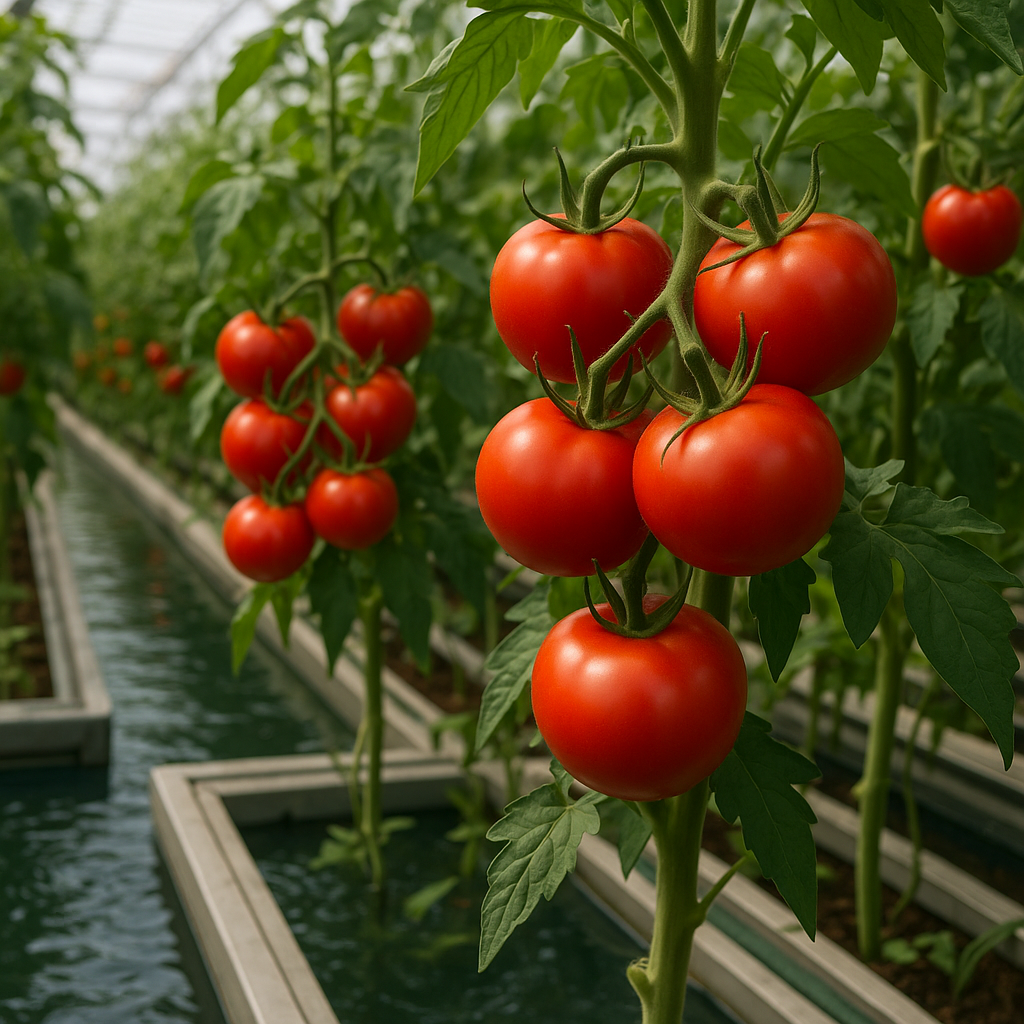
Tomato cultivation in aquaponics highlights their nutritional richness:
Thanks to the constant flow of nutrients derived from fish waste, tomatoes grow vigorously, offering a rich flavor and succulent texture.
Aquaponics provides a controlled environment that supports the optimal growth of tomatoes.
Soil-free cultivation helps preserve the purity of taste and allows tomatoes to fully express their distinctive flavor profile.
The system’s sustainable structure, with nutrient recycling and reduced environmental impact, contributes to an eco-friendly approach to tomato production
Strawberries
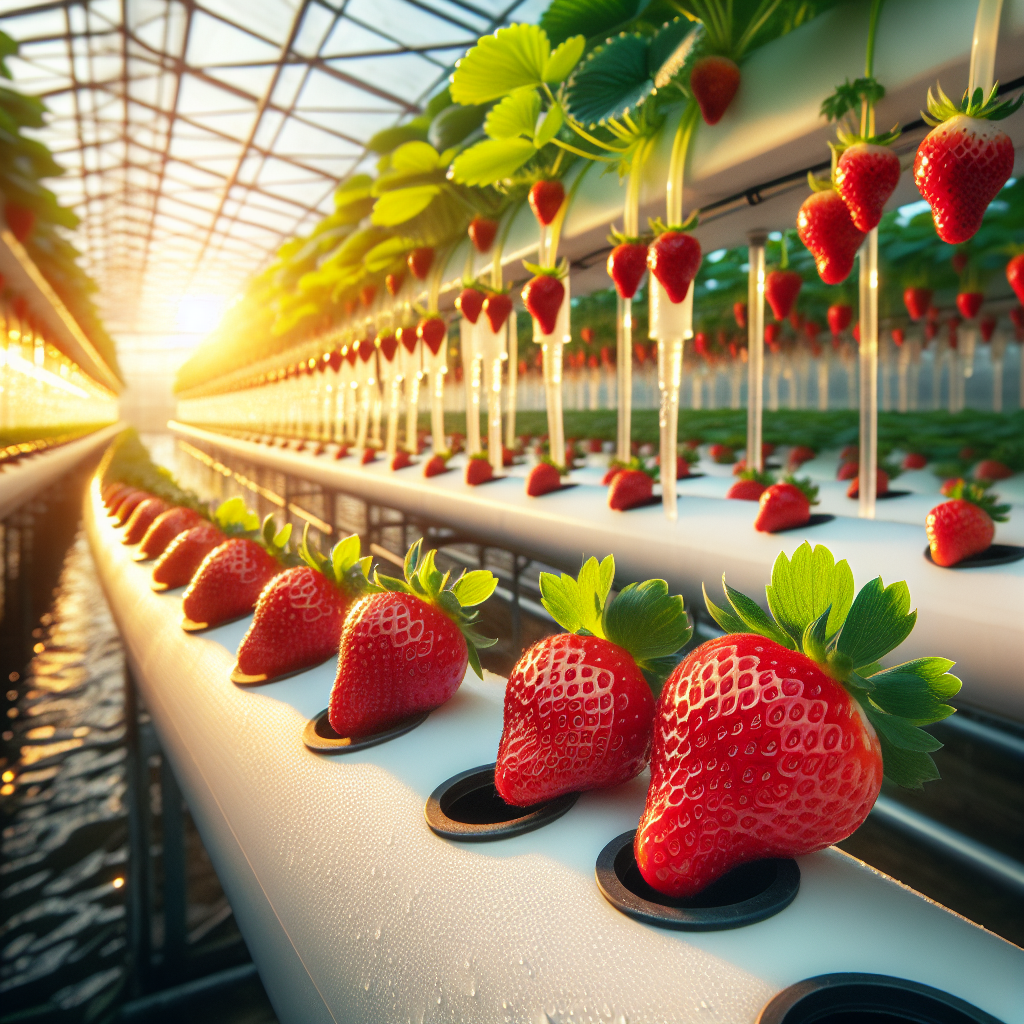
Turning to fruits, strawberries are an intriguing addition to the aquaponic garden:
Thanks to the nutrient support provided by fish waste, they develop with a uniquely sweet flavor.
In addition to their distinctive characteristics, strawberries grown in aquaponics offer specific nutritional benefits.
Their high content of vitamins and antioxidants gives them a superior nutritional profile.
The controlled environment, free from chemical pesticides, helps preserve the purity of their taste, delivering a truly unforgettable flavor experience
Aquaponic Vegetables
We’ve explored some of the best vegetables to grow using the aquaponic method:
This innovative cultivation system not only eliminates the need for pesticides and ensures significant ecological and economic savings, but it also produces a variety of vegetables that are nutritionally rich and organoleptically superior — often even outperforming those grown with other modern agricultural techniques.
In other words, aquaponic vegetable production delivers optimal results from every perspective