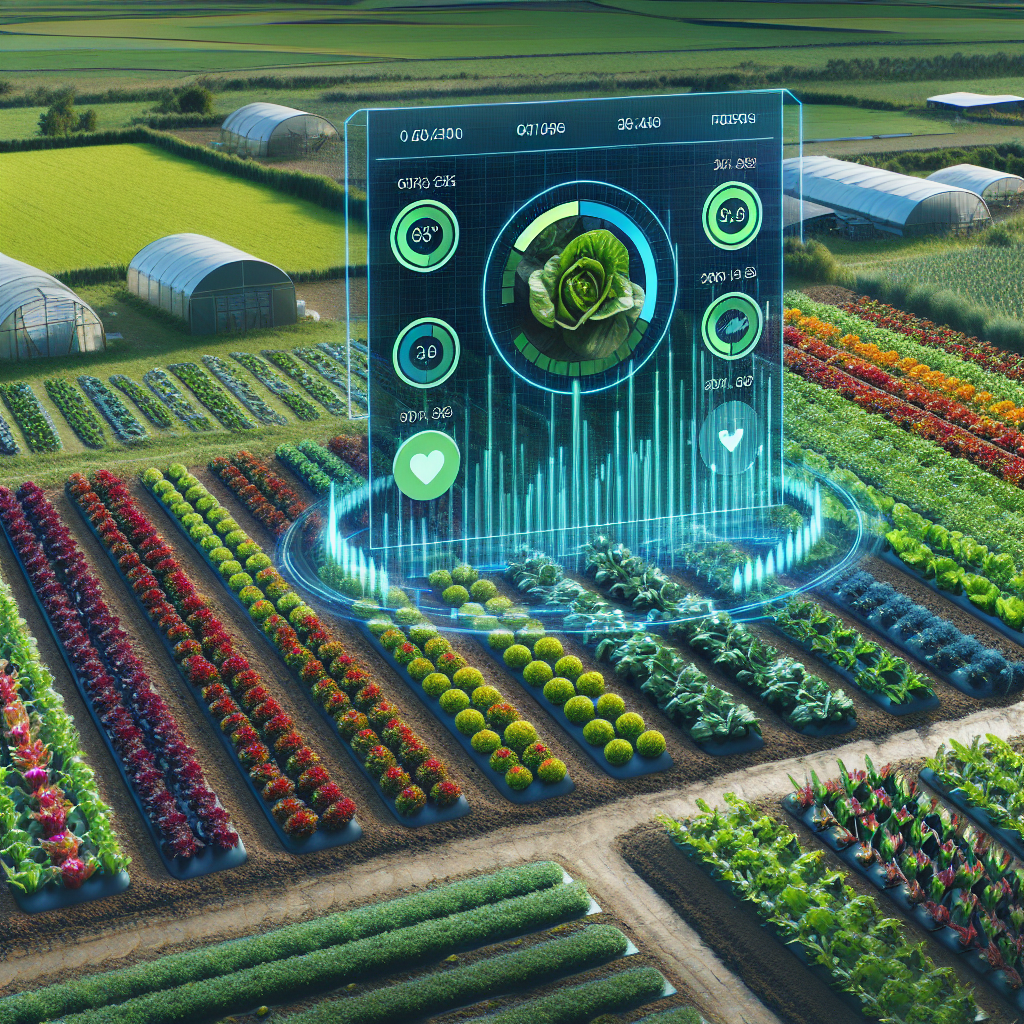
Automation in Aquaponics
Automation and IoT in Aquaponics
Automation and IoT are radically transforming aquaponics, making it an increasingly attractive solution for those seeking to grow sustainably and produce healthy, nutrient-rich food.
Thanks to these technologies, aquaponics has the potential to revolutionize the agricultural sector, helping to ensure food security while protecting the environment
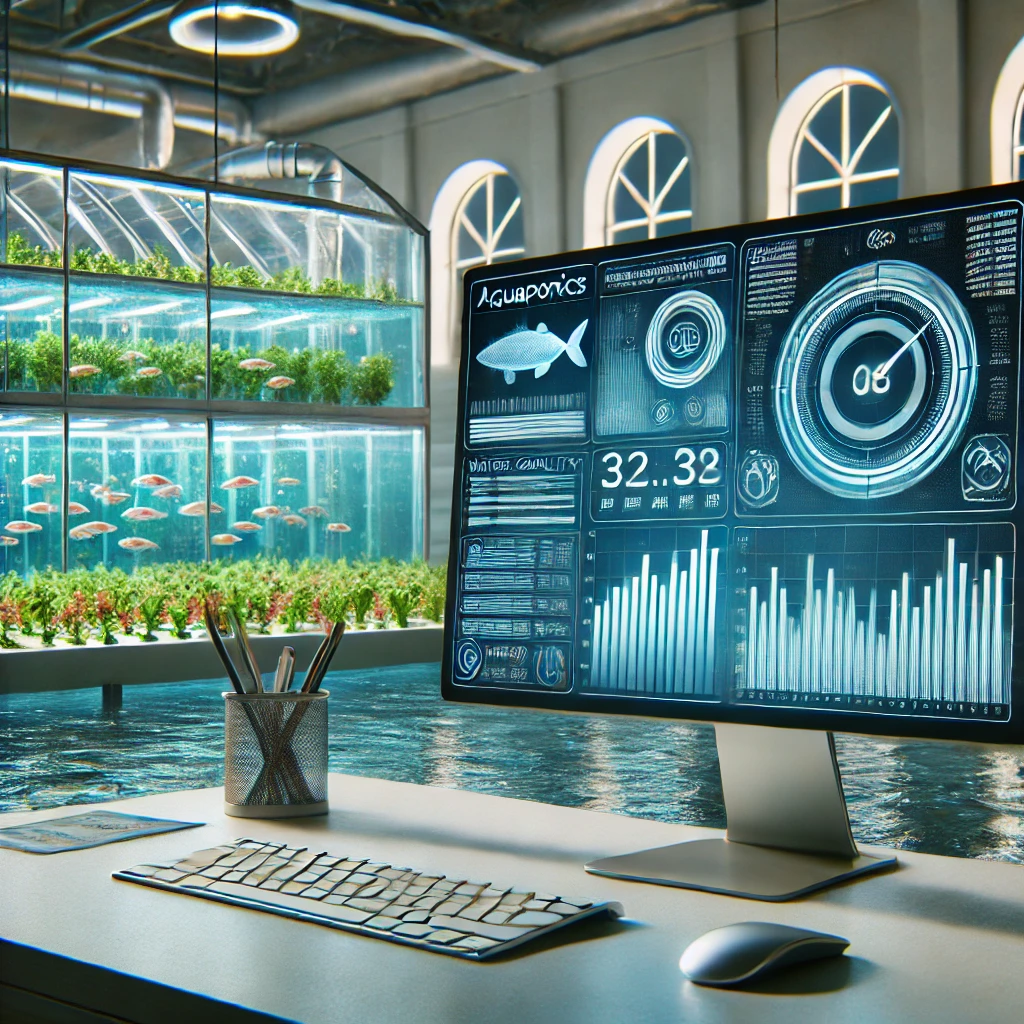
The future is already here
Aquaponics, an innovative cultivation system that combines fish farming and hydroponic plant growth, is undergoing a true transformation with the rise of digital technologies.
The integration of automation and IoT into aquaponics is redefining the boundaries of the sector, offering new opportunities to optimize production, reduce costs, and enhance sustainability
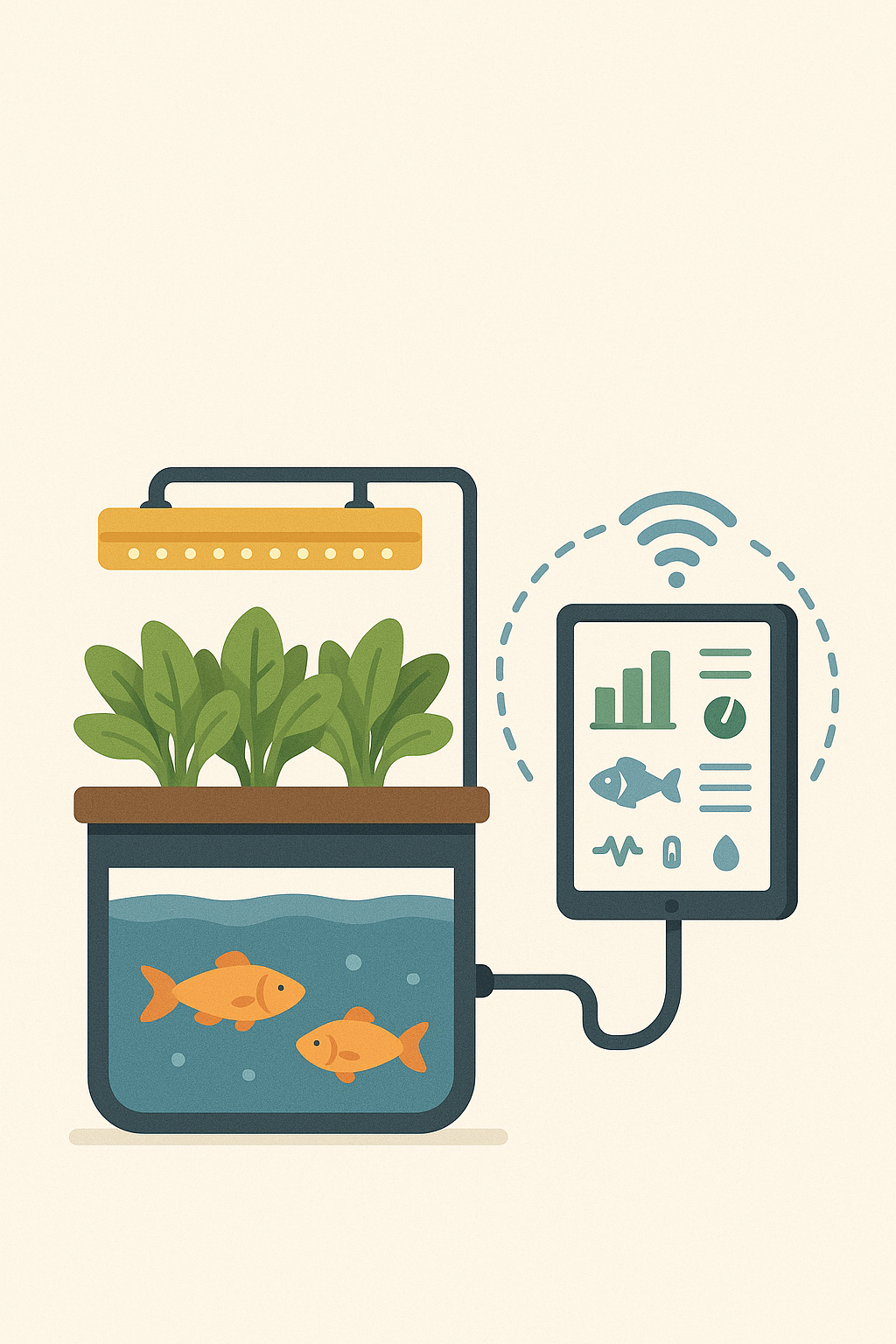
The Advantages
Automation, combined with IoT, brings numerous advantages to aquaponics
Scalability.
Automated systems are easily scalable, making it possible to transition from small home setups to large-scale production facilities.
Optimized Efficiency.
Automated systems continuously and accurately manage all environmental parameters, ensuring ideal conditions for both plant and fish growth.
This results in higher productivity and reduced waste.
Superior Quality.
Precise control of environmental conditions leads to the production of premium-quality crops, with enhanced flavor and higher nutritional content.
Environmental Sustainability.
Automation helps reduce the environmental impact of aquaponics by optimizing the use of water and energy resources
From Theory to Practice
But how does all this translate into practice?
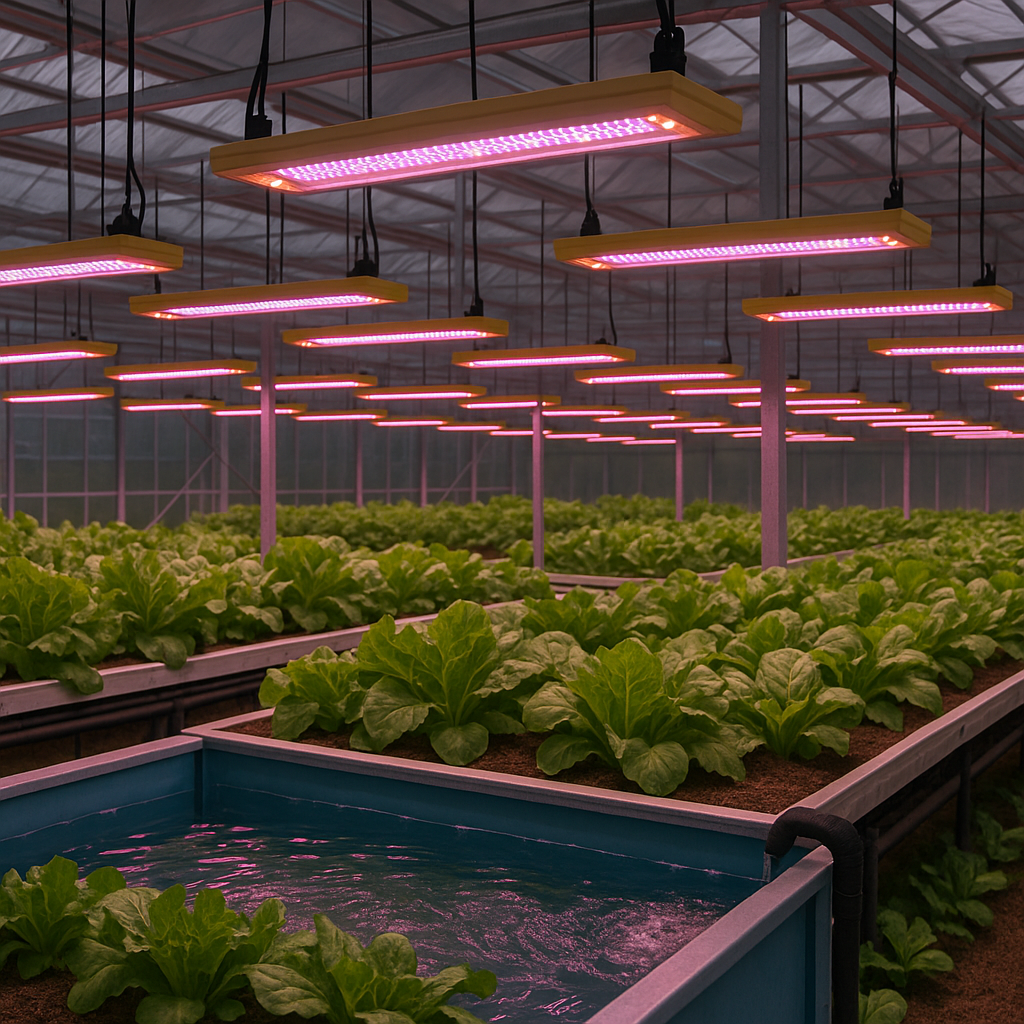
A concrete example is represented by LED lighting systems, which can be automatically adjusted based on the needs of each plant species.
With a customized light spectrum and controlled light intensity, plant growth can be optimized for every crop. Additionally, integration with light sensors allows the system to adapt illumination in real time to changing environmental conditions.
Another key example is the use of smart dosing pumps, capable of delivering the precise amount of nutrients at any given time.
Customized nutrient solutions, along with integration with pH and EC sensors, ensure an ideal growing environment for plants—preventing deficiencies, excess nutrients, and algae overgrowth.
Beyond lighting and nutrient management, automation can be applied to many other aspects of aquaponics, such as automatic climate control (temperature, humidity), aeration systems, and parameter monitoring.
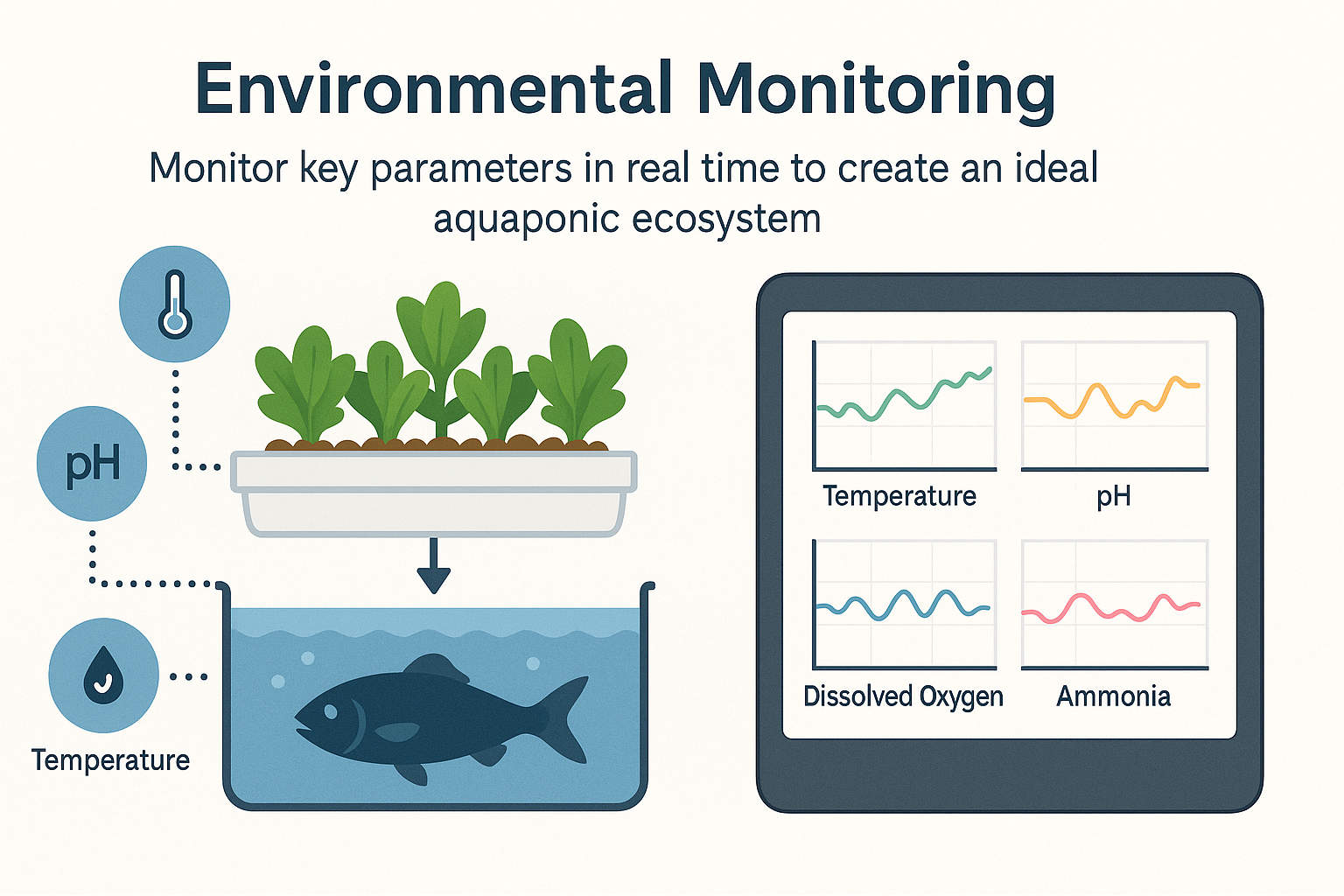
For instance, aeration systems help maintain optimal dissolved oxygen levels in the water, which are essential for fish survival.
Meanwhile, monitoring systems can send customized alerts in the event of anomalies, allowing for timely intervention and system stability
Future Developments
The integration of automation and IoT in aquaponics is still in its early stages.
In the future, we can expect to see a further evolution of these systems, with the introduction of increasingly sophisticated technologies and the use of artificial intelligence (AI) to further optimize production.
AI can be used to analyze data collected from sensors, identifying patterns and trends that help optimize operations and prevent issues.
Moreover, AI can predict the future needs of plants and fish, allowing automated systems to adapt proactively. In the coming years, it may be possible to develop fully autonomous aquaponic systems that require no human intervention.
New types of sensors are also being developed to measure environmental parameters with greater precision and accuracy.
Advances in LED lighting are leading to more efficient solutions, capable of delivering light more precisely tailored to the needs of different plant species.
Additionally, new filtration systems are being designed to more effectively remove waste produced by the fish.
Aquaponics may also be integrated with other technologies—such as solar energy or vertical farming—to create even more sustainable food production systems
An intelligent ecosystem
IImagine an aquaponic system where every element — from water pH to the amount of light received by the plants — is monitored and adjusted in real time by smart sensors.
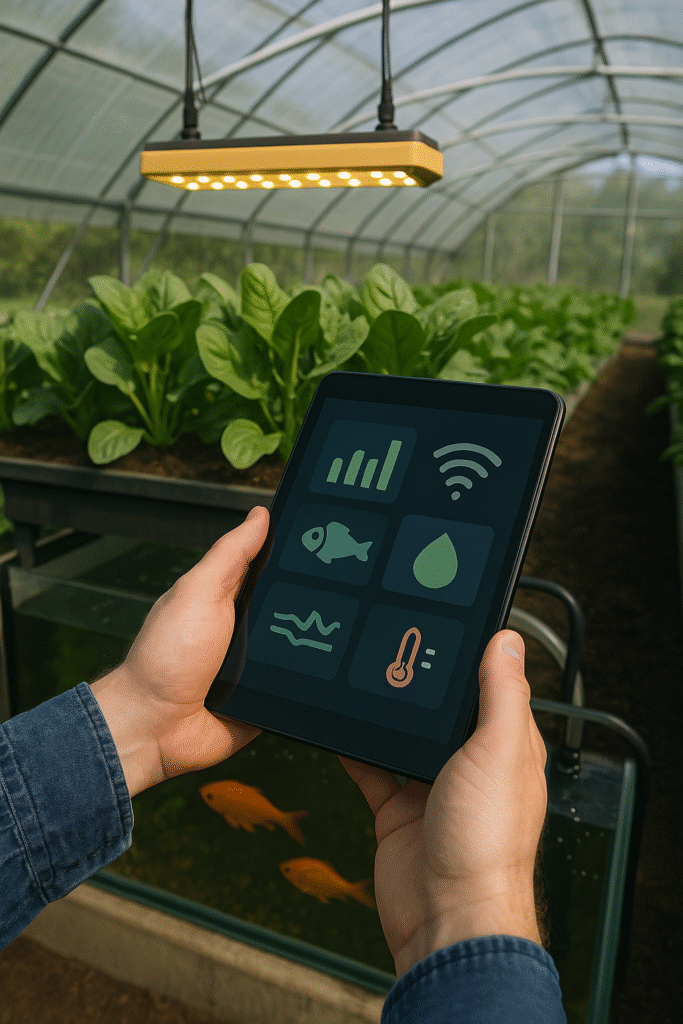
Thanks to the Internet of Things (IoT), this data is collected and analyzed by sophisticated software, enabling the detection of anomalies and allowing for prompt, data-driven interventions
Explore our innovative solutions
This section highlights our dedication to advanced aquaponic systems, emphasising clear objectives and a commitment to sustainable solutions driven by cutting-edge technologies

Intelligent Monitoring
Manage environmental parameters in real time.
Optimised Lighting
Enhance plant growth with advanced systems.
Automated Nutrition
Ensure precise and consistent nutritional balance.
Remote Control
Manage your system effortlessly, wherever you are
Advanced Automation
Optimise your system with automated and customisable processes
IoT Integration
Connect each component for seamless and centralised management